
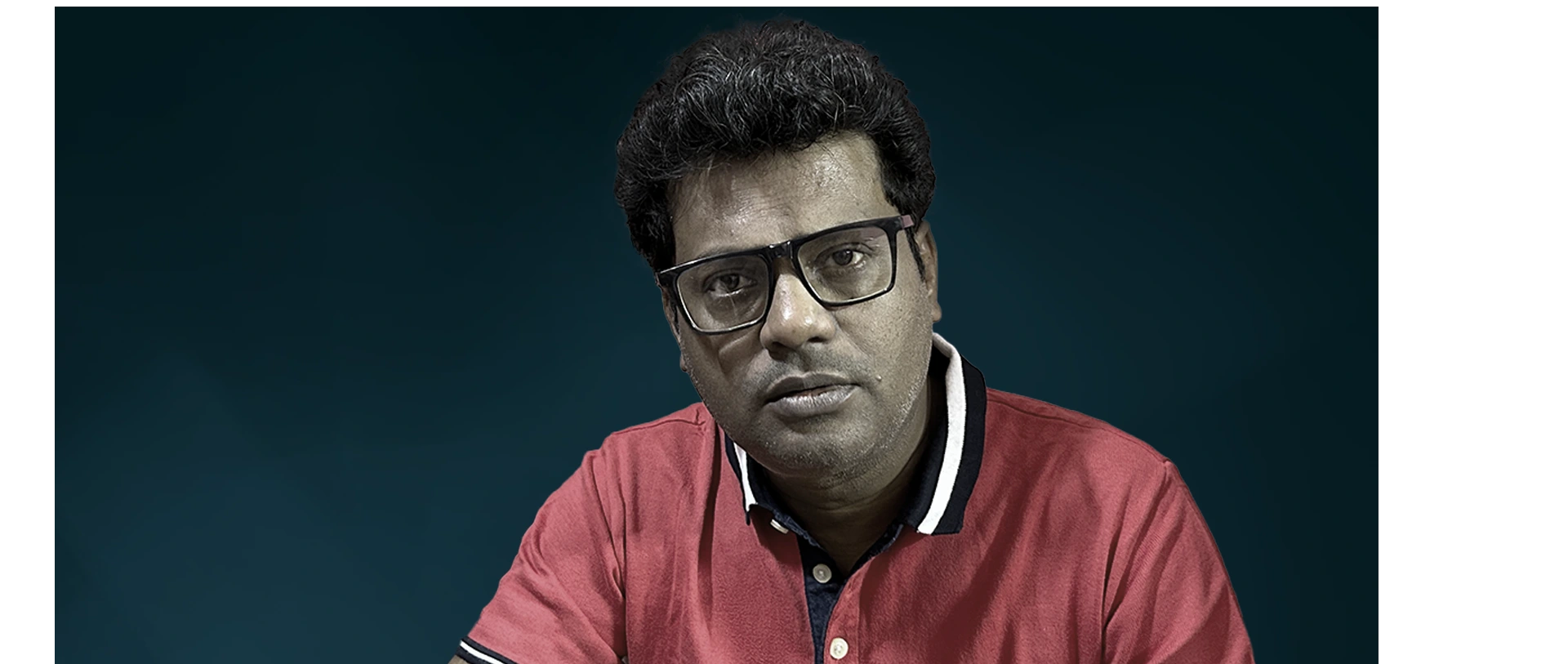
Cinema, as an art form, has always been a fascinating interplay of imagination, technique, and collaboration, and to explore this creative process from script to screen, filmmaker and educator Tanmay Nag conducted a comprehensive three-day filmmaking workshop in Andaman from 26 September 2025 to 28 September 2025, organised by the Department of Art and Culture, Andaman, in collaboration with INTACH (Indian National Trust for Art and Cultural Heritage) and the Andaman Film Society. The workshop was designed to bridge theory and practice, offering participants an immersive experience into the craft and language of cinema, covering every essential aspect from direction and screenplay writing to cinematography, editing, sound design, and VFX.
Participants, including aspiring filmmakers, students, and creative enthusiasts, engaged in an intense and interactive learning process that blended technical understanding with creative expression. The sessions began with a general overview of the stages of filmmaking, i.e, pre-production, production, and post-production helping participants to understand how an idea evolves into a finished film through a series of planned and collaborative steps. In the cinematography module, the discussion centred around the camera’s role as a storyteller, how shot size, composition, and camera movement influence mood and perspective. Participants explored the importance of aspect ratios, learning why formats like 4:3 create an intimate feel while 2.35:1 gives the grandeur of cinema. They also studied lighting techniques, including the famous three-point lighting system (key, fill, and backlight), to understand how light defines depth, dimension, and emotion within a frame. Hands-on examples made participants realise that cinematography is not about equipment alone but about how light and lens combine to create meaning.
Moving forward, the session on direction introduced participants to the multifaceted role of a film director who is the creative leader to transform a script into a living cinematic experience. The discussion elaborated on the director’s involvement in all three stages of filmmaking: pre-production (script breakdown, casting, storyboarding, location scouting), production (guiding actors, choosing camera angles, ensuring visual continuity), and post-production (working with editors, sound designers, and VFX teams to polish till the final cut).
This module highlighted the importance of collaboration, leadership, and clarity of vision, showing that direction is both an artistic and managerial pursuit. Participants particularly enjoyed the segment where they analysed how different directors interpret scripts differently, bringing their own sensibilities to the same story.
The screenplay writing module focused on the narrative structure especially the three-act paradigm: Act I (Setup), Act II (Confrontation), and Act III (Resolution). Through interactive exercises, participants learned how to build strong characters, design emotional arcs, and create plot points that move the story forward. They discussed how writing for cinema differs from literary storytelling, as screenwriting must think in terms of visuals, rhythm, and action. It was emphasised that while great screenplays follow certain structures, they are never bound by formula. True creativity lies in balancing form and freedom.
The next session, on editing, the “invisible art” of cinema introduced participants to how films truly come alive on the editing table. Techniques of continuity editing, montage, cross-cutting, jump cuts, and match cuts were explained using examples from classic and contemporary cinema. Participants learned how editing shapes time, space, and emotion, controlling the pace of storytelling and guiding audience attention. Special attention was given to J-cuts and L-cuts, illustrating how sound and visuals overlap to create smoother transitions and emotional continuity.
The subsequent module on sound design, Foley, ROTO, and VFX unveiled the hidden world that shapes a film’s sensory experience. Participants were amazed to learn how Foley artists recreate everyday sounds like footsteps, fabric rustles, and door creaks to bring realism to a film, and how ROTO (rotoscoping) is used to isolate or enhance visual elements for integration with visual effects (VFX). The sound design part delved into how ambient sound, dialogues, and background score build atmosphere and emotion. Participants discussed how sound can sometimes express more than visuals, creating tension, nostalgia, or serenity purely through audio cues. It became clear that sound and image are inseparable partners in the art of storytelling.
The final session brought together all the elements of direction, writing, cinematography, editing, and sound offering a holistic understanding of how collaborative synergy transforms an idea into a compelling motion picture. Through discussions, group activities, and short concept presentations, participants applied what they had learned, pitching ideas for short films and analysing scenes from popular works. The energy in the room reflected both curiosity and confidence, as participants began to see themselves not just as spectators of cinema but as potential creators of it.
Throughout the workshop, Tanmay Nag drew from his own professional experience as a filmmaker, scriptwriter, and video-director of notable works like the documentary Nachni and the music video Ye Desh with Pt. Bickram Ghosh and other celebrated Indian artists to offer practical insights into the balance between creativity and discipline in the filmmaking process. His engaging teaching style, blending technical depth with human emotion, made complex concepts easy to grasp and enjoyable to explore. The workshop not only equipped participants with the language of cinema but also inspired them to tell stories rooted in their own experiences and surroundings. For many, it was their first real exposure to the cinematic process; for others, it deepened their understanding of how films are built layer by layer through vision, collaboration, and passion.
By the end of the three-day session, one thing became clear, filmmaking is not merely about technology or big budgets but about imagination, teamwork, and the courage to see the world differently. As the curtains fell on the final day, the Andaman air was filled with excitement and creative energy a testament to how powerful learning becomes when art meets enthusiasm. The event received wide media coverage, and the Nicobar Times posted a detailed report of the workshop on their official YouTube channel:
